Autism Spectrum Disorder
What is Autism Spectrum Disorder?
Autism Spectrum Disorder (ASD) is a complex neurodevelopmental condition that affects how a person communicates, behaves, and interacts with others. Because it is a "spectrum", it presents very differently from one child to the next.
Some children have strong verbal skills but find social situations challenging; others may be non-verbal and need sensory support. Early, individualised therapy helps children build communication, social, and daily-living skills at their own pace.
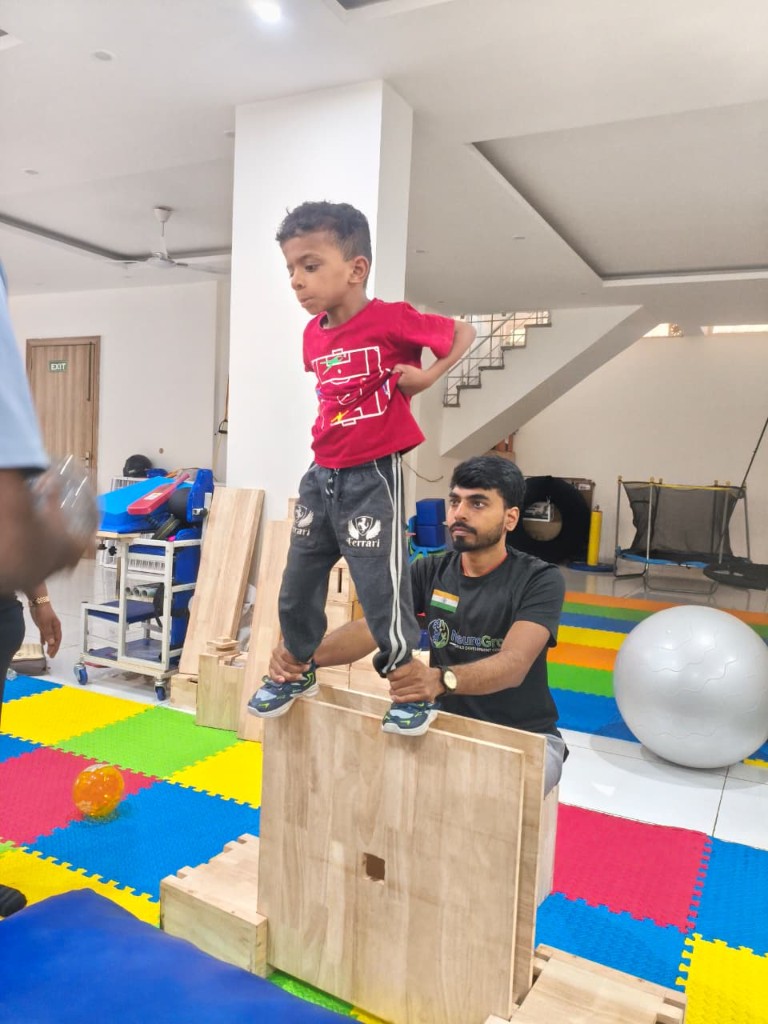 NeuroGrow
Symptoms of Autism Spectrum Disorder
Signs often appear in early childhood and differ from child to child. Common symptoms include:
- Delayed speech or language development
- Limited eye contact and social interaction
- Repetitive movements or behaviours
- Strong need for routine; distress with change
- Sensitivity to sounds, lights, or textures
- Difficulty understanding others' feelings
Causes of Autism Spectrum Disorder
There is no single known cause of autism. Research points to a combination of genetic and environmental factors that influence early brain development. Commonly associated factors include:
- Genetic differences and family history
- Differences in early brain development
- Certain conditions present at birth
- Advanced parental age in some cases
- Prenatal and environmental influences
- Not caused by parenting style or vaccines
Treatment
While autism is not something to be "cured", the right support helps children thrive. At NeuroGrow we use structured, play-based therapy tailored to each child's strengths and sensory needs.
Behavioural Therapy
Structured approaches that encourage positive behaviour, communication, and social interaction through consistent, rewarding routines.
Occupational & Sensory Therapy
Sensory-integration and daily-living activities that help children manage their environment and build independence and confidence.
Speech & Early Intervention
Communication support started early — using words, gestures, or visual tools — to strengthen language and connection with others.