Cerebral Palsy
What is Cerebral Palsy?
Cerebral palsy (CP) is a group of lifelong disorders that affect movement, muscle tone, balance, and posture. It is the most common motor disability in childhood and is caused by abnormal development of, or damage to, the developing brain.
The way CP affects each child can vary widely — some have mild difficulty with coordination, while others need more support for walking, sitting, or using their hands. With early, consistent therapy, many children make meaningful gains in mobility and daily independence.
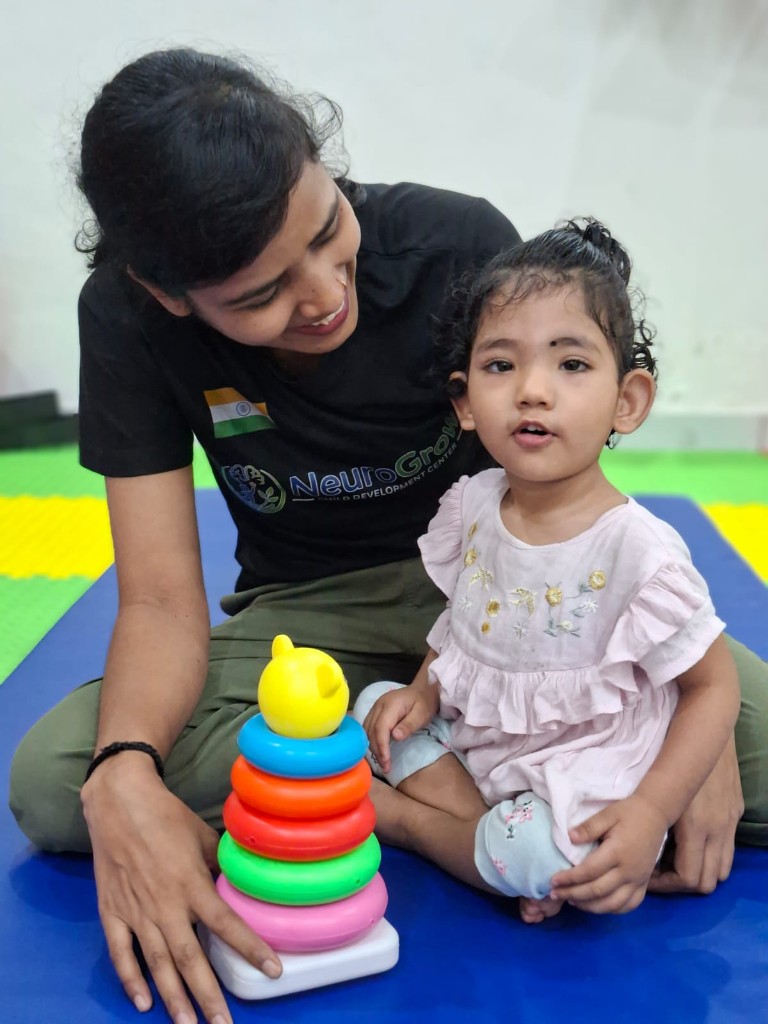 NeuroGrow
Symptoms of Cerebral Palsy
Signs usually appear in early childhood and vary from mild to more significant. Common symptoms include:
- Stiff, tight, or unusually floppy muscle tone
- Delayed milestones like sitting, crawling, or walking
- Poor balance and coordination
- Involuntary movements or tremors
- Difficulty with fine-motor and hand skills
- Speech, feeding, or swallowing difficulties
Causes of Cerebral Palsy
Cerebral palsy results from injury to or abnormal development of the brain, most often before or around the time of birth. Common contributing factors include:
- Premature or complicated birth
- Lack of oxygen to the brain during birth (birth asphyxia)
- Infections during pregnancy affecting the baby's brain
- Bleeding in the brain before or after birth
- Severe newborn jaundice
- Head injury or infection in early infancy
Treatment
There is no single cure for CP, but a structured, individualised rehabilitation plan can significantly improve movement, function, and confidence. At NeuroGrow we combine hands-on therapy with advanced tools in a warm, play-based setting.
Physiotherapy
Targeted exercises to build strength, balance, and gross-motor skills such as sitting, standing, and walking — adapted to each child's stage.
Occupational & Speech Therapy
Support for fine-motor skills, self-care, communication, and feeding so children can participate more fully at home and school.
Advanced Tools
NeuroSuit, SpiderCage, and gait training intensify progress by guiding correct movement patterns and neural relearning.