Paralysis & Spinal Cord Injury
What is Spinal Cord Injury?
A spinal cord injury is damage to the spinal cord that disrupts the messages travelling between the brain and the body. This can lead to a loss of muscle function and sensation — known as paralysis — in parts of the body below the level of injury.
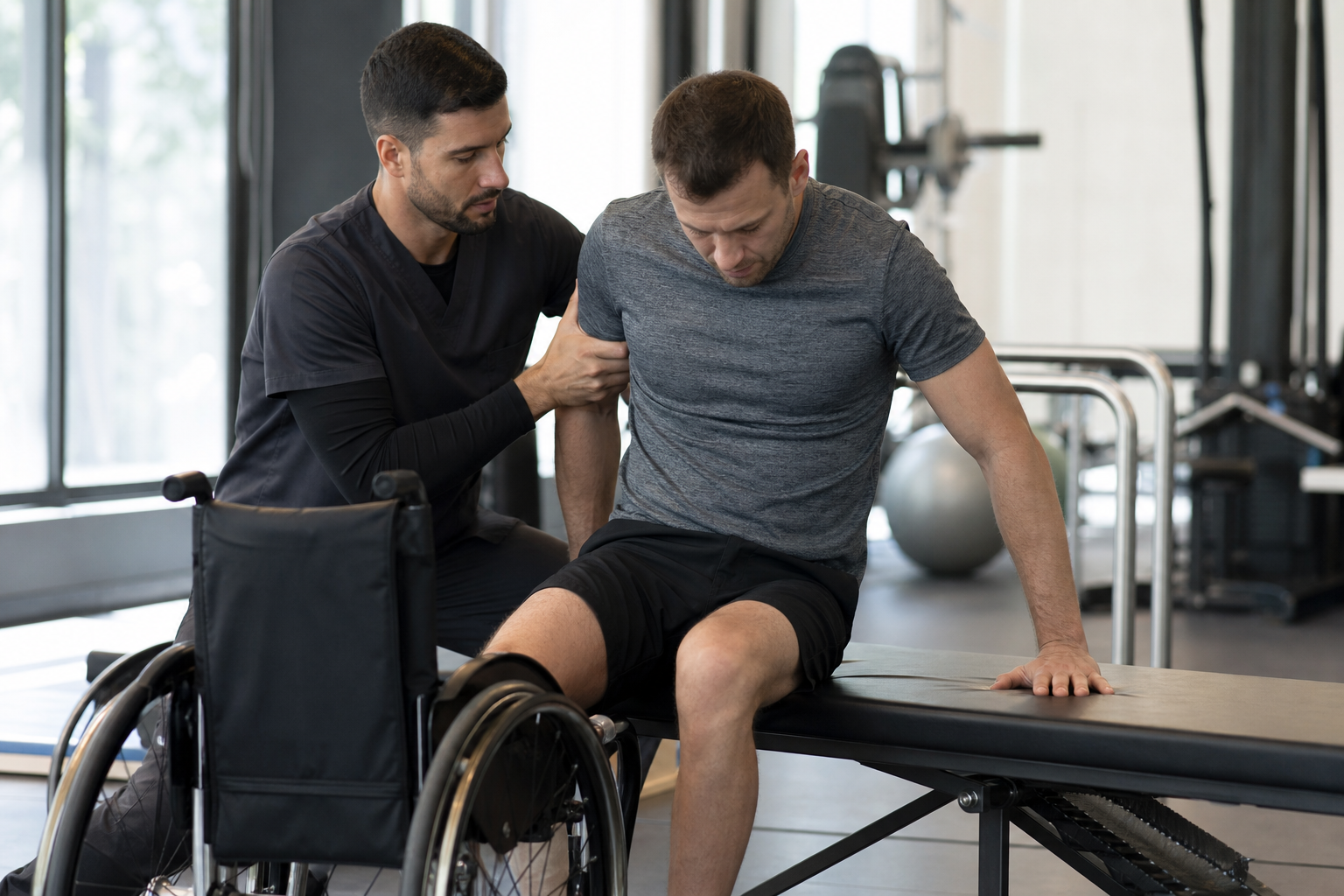
The impact depends on where and how severely the cord is affected. With focused rehabilitation, patients can build strength, learn new ways to move, and regain as much independence and quality of life as possible.
 NeuroGrow
Symptoms of Spinal Cord Injury
Symptoms depend on the level and severity of the injury. Common symptoms include:
- Loss of movement (paralysis) below the injury
- Loss or change of sensation
- Muscle weakness or spasticity
- Loss of bladder or bowel control
- Difficulty with balance and walking
- Pain or altered sensation
Causes of Spinal Cord Injury & Paralysis
Paralysis can be caused by trauma to the spinal cord or by neurological conditions. Common causes include:
- Road traffic accidents and falls
- Sports and diving injuries
- Violence or gunshot injuries
- Stroke affecting movement and sensation
- Neurological disorders and infections
- Tumours or degenerative spine disease
Treatment
Rehabilitation helps patients maximise function and adapt to daily life after spinal cord injury. At NeuroGrow we deliver personalised programs that blend hands-on therapy with assistive technology.
Mobility & Strengthening
Targeted exercises to build strength in working muscles, improve balance, and support safe transfers and movement.
Functional Training
Practising everyday activities and wheelchair skills so patients can manage daily tasks with greater independence.
Advanced Tools
SpiderCage, functional electrical stimulation, and supported gait training to stimulate movement and neural recovery.